
Prophecy of the Voidwright
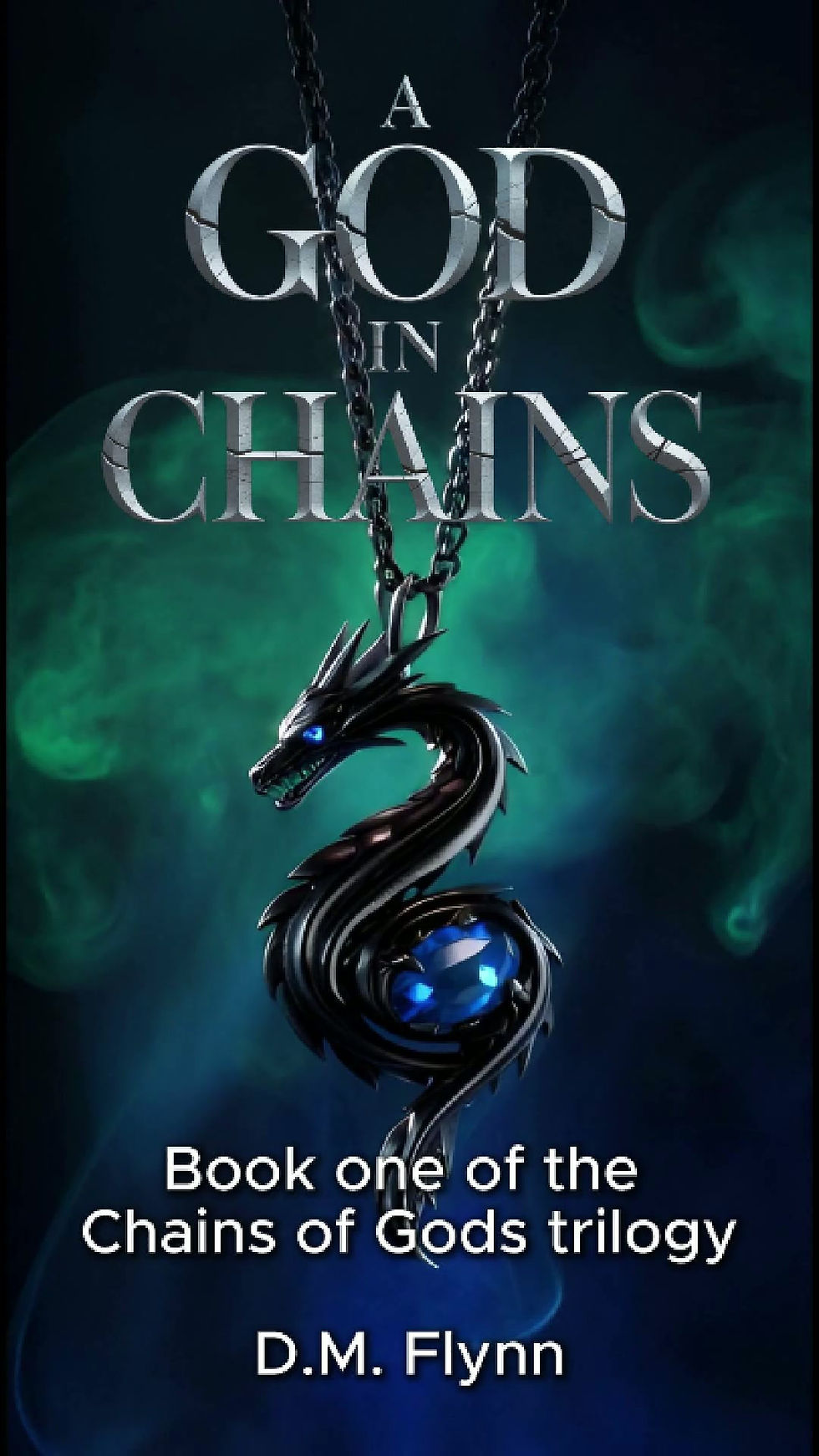
Silence calls to shadow, and shadow answers.
When the Voidwright wakes, even the chains of gods will break.
From hollow bone the lost god stirs,
unmaking sings though the song still blurs.
Shaped by grief and tempered by pain,
he rises ever, unbound by name.
Two shall walk where twilight weeps,
through shattered vows and broken keeps.
Absence and night, divided yet one,
their path decides what will be done.
The hand that frees may also slay,
the dawn of hope may burn away.
Savior, destroyer — both foretold,
the choice lies heavy, the truth grows cold.
Yet whether the vessel conquers or falls,
the god of destruction heeds the call.
Bound or broken he will rise,
to scorch the earth or cleanse the skies.
Shadow calls to silence, and silence answers.
When the Voidwright wakes, even the chains of gods will break.
The Prophecy of the Voidwright
It was never written in full. It was spoken.
Whispered first by the Mindborn, those rare dragons and drakebound whose sight bends toward memory, dream, and the fragile edges of what has not yet occurred. They did not claim to see the future. They claimed only to see fractures in it.
The prophecy emerged in fragments, scattered across generations. A line uttered during a fever dream. A stanza spoken during shared trance. A warning recorded in ash and bone, then lost when the archive that held it burned.
No original manuscript survives. Only echoes.
The Mindborn Tradition
Among the dragon-aligned bloodlines, the Mindborn have always walked closest to the unseen. Their magic touches memory, perception, and shared vision. When they dream together, they do not see a single path forward. They see convergence points. Knots in reality. Moments where the world narrows to a choice.
It was at one of these convergence points that the Voidwright was first named.
Not as savior. Not as destroyer. As axis.
For generations, Mindborn prophets have carried the fragments of the same warning: that one born of absence would stand where the world breaks, and that the chains binding gods would not hold forever.
Some scholars insist the prophecy was never about a single individual. They argue Voidwright refers to a force, not a person. A cycle of erasure that rises whenever corruption exceeds balance.
Others believe the wording is deliberate. Personal. Intimate. They point to the repeated use of singular phrasing in surviving stanzas, the emphasis on vessel, awakening, and fracture.
The debate has never ended.
Interpretation and Fear
Like all prophecies, meaning depends on the reader.
To the Veil of Embers, the prophecy is validation. Proof that a vessel must rise. That resurrection is inevitable. That divine order waits only for the correct host.
To resistance scholars, it is a warning. The Voidwright does not bring restoration. He brings unmaking. Magic dies in his presence. Sigils fail. Wards collapse. The world does not survive unchanged.
Some interpret the prophecy as a tragedy. The Voidwright awakens only when pushed beyond human limit. A weapon forged by suffering. A soul shaped by absence.
Others whisper that the prophecy is not prediction at all. It is a test.
The Voidwright stands at the threshold between annihilation and preservation. Between erasing the broken world and choosing to endure it.
What breaks may not be the world. It may be the one who must decide.
Why It Endures
Empires have risen and fallen since the first Mindborn uttered the name. Libraries have burned. Bloodlines have vanished. Yet the prophecy persists.
It survives because it adapts.
Each generation believes it understands the meaning. Each generation is certain the convergence is near. And each time the world edges closer to collapse, the fragments resurface.
Sung. Whispered. Carved into hidden stone. The Voidwright is not merely foretold.
He is remembered.